
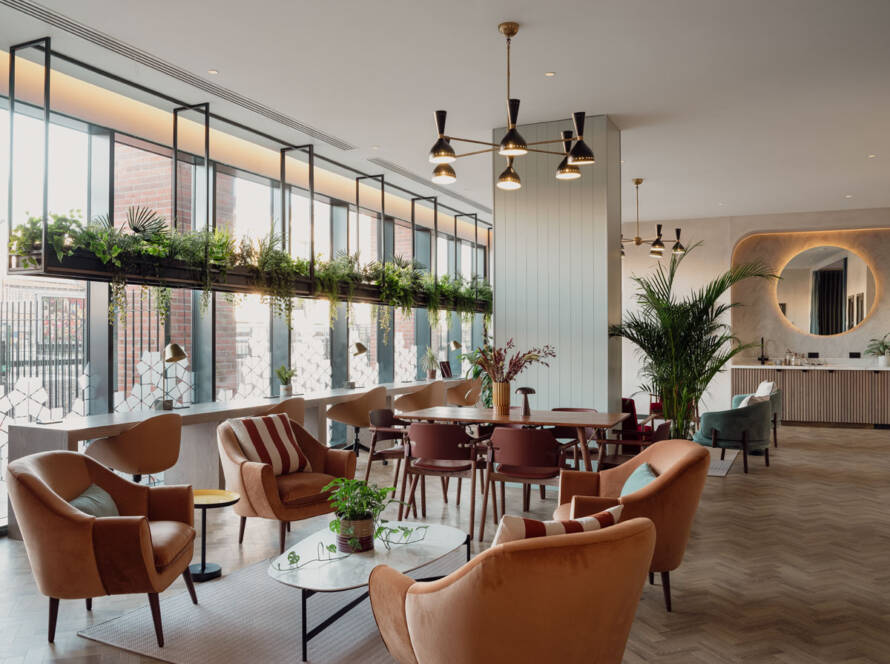
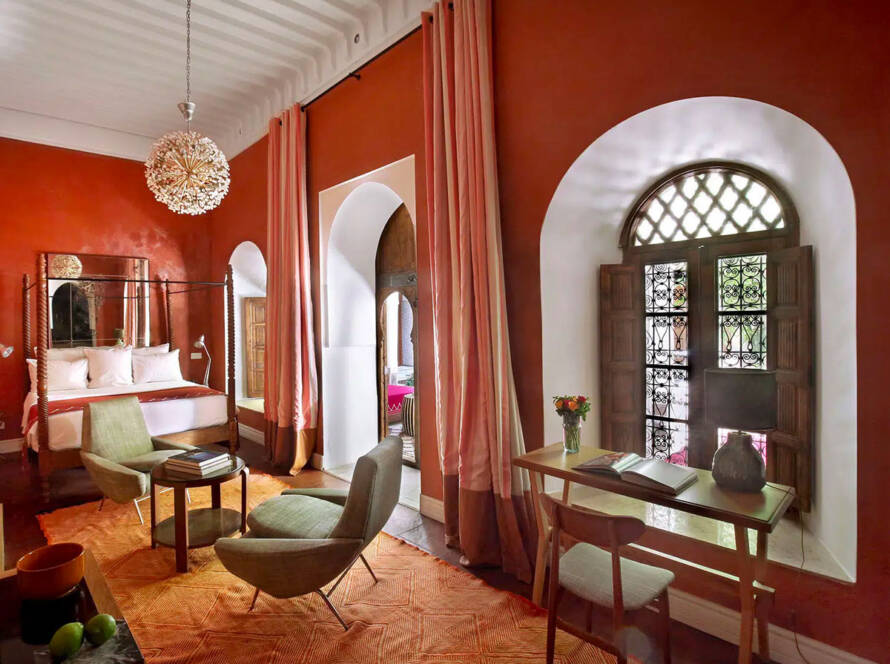

When a traveller scrolls through booking options, the decision is made in seconds and it's rarely about thread count or minibar pricing. It's about the photo. The warm glow of a lobby, the considered lines of a headboard, the way light falls across a lounge chair. In an experience economy, interior design has become one of the most powerful drivers of where people choose to stay, and how much they're willing to pay for the privilege.
For hotel owners, investors, and general managers, this shift is an opportunity. A well-executed hotel refurbishment doesn't just refresh tired carpets and outdated colour palettes - it repositions a property in the market, unlocks pricing power, and rebuilds the emotional connection that turns first-time guests into loyal ones. If you've been wondering whether now is the moment to invest, here's how to think about it.
The 10-Year Cycle: Why Hotels Have a Design Shelf Life
Every hotel interior has a natural lifespan. Industry benchmarks typically place a soft refurbishment cycle at 5–7 years and a full refurbishment cycle at 10–12 years, depending on brand standards, guest volume, and material quality. This isn't arbitrary - it reflects how quickly finishes wear under daily use, how fast design trends move, and how guest expectations evolve.
Think of it as a built-in reinvestment schedule, much like maintaining any high-performing asset. Furniture fabrics fade, bathroom fittings date, and lighting that once felt cutting-edge can suddenly read as generic. Brands and franchise agreements often mandate refurbishment cycles for exactly this reason: a property that skips its cycle doesn't just look older, it starts to feel older to guests, even ones who can't articulate why.
If your last major design update was close to a decade ago, this is your first sign that a conversation about refurbishment is worth having.
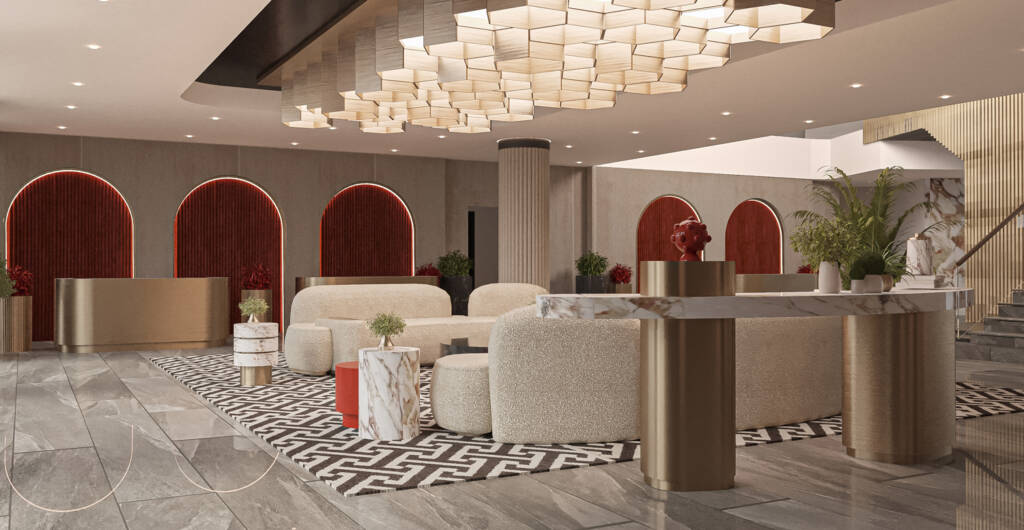
Four Signs Your Hotel Is Ready for a Refurbishment
1. You're Approaching (or Past) the 10-Year Mark
If your interiors haven't been touched in close to ten years, they are very likely working against you, not for you, in the eyes of today's guest.
2. Occupancy Has Started to Slip
A gradual dip in occupancy, particularly when it isn't explained by seasonality or macro market conditions is often the clearest commercial signal that your product is falling behind guest expectations. Interior design tends to be one of the first things guests notice and one of the last things owners think to blame. If RevPAR is softening while your competitive set holds steady, it's worth auditing your interiors with fresh eyes.
3. Your Competitors Are Outshining You
Hospitality is a visual industry, and travellers compare constantly — across booking platforms, Instagram, and word of mouth. If neighbouring properties have invested in inspiring, on-trend interiors and yours hasn't kept pace, you're not just losing bookings on price; you're losing them on desirability. A strong local competitive set with elevated hospitality design raises the bar for the entire market, and standing still means falling behind by default.
4. You Want to Reposition Your Guest Profile or Pricing
Perhaps your goals have shifted: you want to attract a younger, design-conscious demographic, move upmarket, or simply justify a higher average daily rate. Interior design is one of the fastest and most visible ways to signal a repositioning. A thoughtful refurbishment can shift guest perception almost overnight — allowing you to command the rates that match your ambition, not just your history.
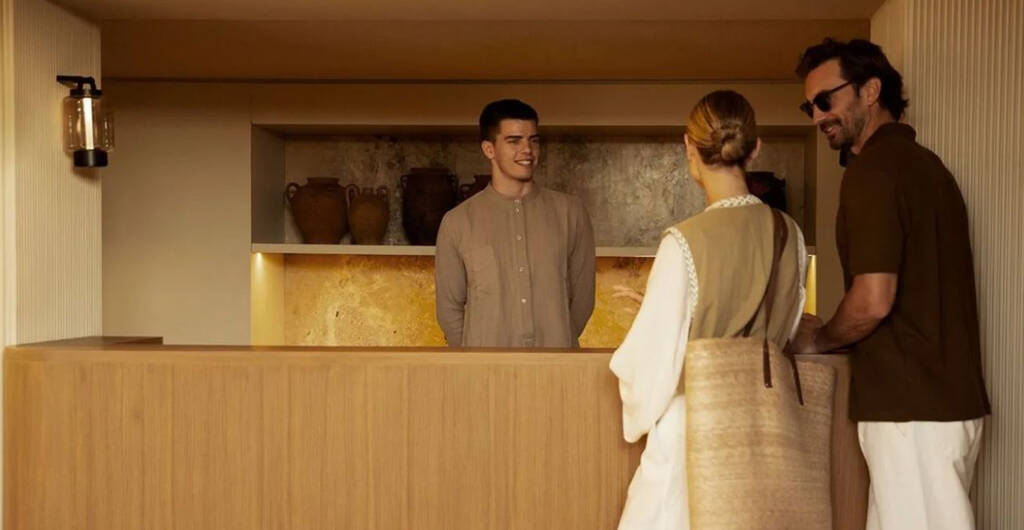
Soft Refurbishment vs. Hard Refurbishment: Choosing the Right Scope
Not every refurbishment needs to mean gutting a hotel to the studs. The right scope depends entirely on your commercial goals, budget, and timeline.
Soft refurbishment focuses on the surface layer of the guest experience such as furniture, fixtures, fittings (FF&E), soft furnishings, artwork, lighting, and finishes. It's faster to execute, less disruptive to operations, and typically delivers a strong return by modernising the feel of a space without touching its bones. This is often the right move on a 5–7 year cycle, or when the core layout and infrastructure still perform well.
Hard refurbishment goes deeper — reconfiguring layouts, updating MEP (mechanical, electrical, plumbing) systems, altering bathroom footprints, or restructuring public spaces entirely. It's a bigger investment and a longer project, but it's the right call when a property needs to change its guest profile, add revenue- generating spaces (think destination bars, wellness areas, or flexible meeting spaces), or address genuine functional obsolescence.
Working with experienced hotel interior designers early in the process helps clarify which path, or blend of both will deliver the strongest return for your specific goals, rather than defaulting to the most expensive option out of caution.
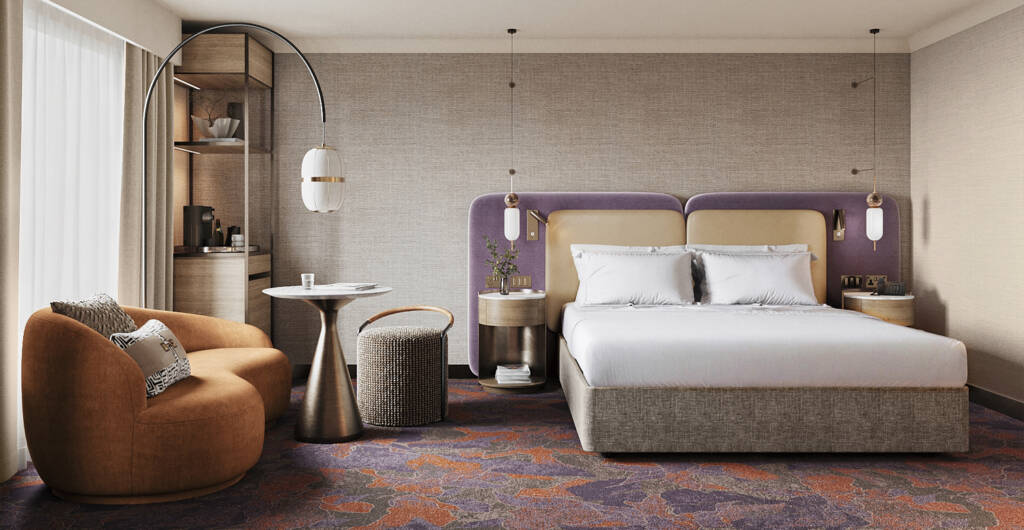
The Investment Case: Why Refurbishment Pays for Itself
It's worth reframing refurbishment not as a cost, but as a strategic reinvestment in your asset's earning power:
RATE GROWTH: Refreshed interiors consistently support higher average daily rates, particularly when paired with a clear design narrative.
OCCUPANCY RECOVERY: Updated properties regain competitiveness in OTA search results and visual comparison, where photos are the first, and sometimes only, filter guests apply.
GUEST LOYALTY AND REVIEWS: Design quality shows up directly in review scores and repeat bookings, both of which compound in value over time.
ASSET VALUE: A well-refurbished hotel is a stronger, more liquid asset - whether you plan to hold, refinance, or sell.
The hotels that consistently outperform their competitive set aren't necessarily the newest builds — they're the ones that have treated design as an ongoing investment rather than a one-off expense.
The Opportunity Ahead
A hotel refurbishment is, at its heart, a vote of confidence in your property's future. It tells guests, staff, and the market that you're not standing still, you're evolving with the expectations of modern travel. Whether you're due for a soft refresh or ready for a full transformation, the right hospitality design partner can help you turn ageing interiors into your strongest competitive advantage.
If it's been close to a decade or if you're simply ready to see what your property could become, now is a great time to start the conversation.
Considering a refurbishment for your property?
Our team of hotel interior designers specialises in helping owners and operators translate commercial goals into spaces that guests remember and return to.